What is Wikileaks and its relation to the dark web
Wikileaks is a whistleblower organisation dedicated to promoting transparency by publishing confidential documents. Founded in 2006 by Julian Assange, it has released numerous high-profile leaks, including military reports and diplomatic cables. The organisation aims to expose corruption and wrongdoing, providing a platform for whistleblowers to share sensitive information without fear of retribution.
The dark web plays a significant role in Wikileaks' operations. While the main site is often subject to government censorship or restrictions, its presence on the dark web ensures that information remains accessible. Users can typically find Wikileaks content through .onion URLs, which are only accessible via the Tor network. This anonymity helps protect both the whistleblowers and the users accessing the information.
Why use the dark web for Wikileaks?
Anonymity: The dark web allows users to browse without revealing their identity.
Access: In regions where the main site is blocked, the dark web provides alternative access points.
Security: The use of encryption on the dark web helps protect sensitive communications.
For example, if someone in a country with strict censorship wants to access leaked documents, they can use Tor Browser to connect to a Wikileaks mirror on the dark web. This is crucial for those wishing to expose government misconduct or corporate malfeasance.
The significance of Wikileaks' dark web presence cannot be overstated. It represents a commitment to free speech and the right to information, especially in oppressive regimes. By utilising the dark web, Wikileaks ensures that vital information remains available, regardless of governmental attempts to suppress it.
In summary, Wikileaks and the dark web are intertwined in the pursuit of transparency and accountability.
How to access Wikileaks on the dark web
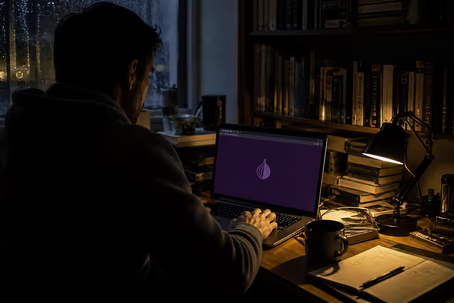
Accessing Wikileaks on the dark web is straightforward but requires specific steps. First, users need to download and install the Tor Browser. This browser allows for anonymous browsing and is essential for accessing .onion websites, including Wikileaks.
Download Tor Browser: Visit the official Tor Project website. Make sure to download the version suitable for your operating system. Avoid third-party sites to reduce cybersecurity risks.
Install Tor Browser: Follow the installation instructions. The process is similar to installing any other software. Once installed, open the Tor Browser.
Connect to the Tor Network: When prompted, click "Connect" to establish a connection to the Tor network. This process may take a few moments.
Access Wikileaks: Enter the .onion URL for Wikileaks in the browser's address bar. This URL is not publicly indexed, so it may require searching on forums or alternative resources to find the current address.
Browse Safely: Once on the site, be cautious. Avoid sharing personal information and do not download files unless absolutely necessary. The dark web can host malicious content.
It's important to note that while Tor provides anonymity, it does not guarantee complete security. Always use a reliable antivirus and be aware of phishing attempts.
Here are some tips for navigating the dark web safely:
Use a VPN: A Virtual Private Network adds an extra layer of security.
Stay Updated: Follow reliable sources for updates on .onion URLs, as they can change frequently.
Limit Personal Information: Do not engage in discussions that require personal details.
For example, if a user wishes to download a document from Wikileaks, they should ensure the file type is safe and check if others have verified its legitimacy.
Accessing Wikileaks via the dark web offers a unique opportunity to explore whistleblower content while maintaining privacy. It combines the need for transparency with the essential aspect of cybersecurity.
Implications of Wikileaks on the dark web
What happens when Wikileaks finds a home on the dark web? The implications are profound, affecting anonymity, security, and the whistleblowing landscape.
Anonymity is a cornerstone of the dark web. For whistleblowers, this environment allows them to share sensitive information without fearing retribution. By using Tor, individuals can remain hidden while exposing corruption or misconduct. This level of privacy is critical in oppressive regimes, where revealing one's identity could lead to severe consequences.
Security also plays a vital role. The dark web's encryption protocols help protect communications. This is crucial for both whistleblowers and users accessing leaked documents. A secure connection ensures that information remains confidential during transmission, reducing the risk of interception by hostile entities.
The potential for whistleblowing is enhanced significantly through Wikileaks’ presence on the dark web. Individuals can disclose sensitive information about government or corporate wrongdoing without the usual barriers. For instance, a government employee may feel emboldened to leak documents detailing illegal activities, knowing that their identity is protected.
Consider the following points regarding the implications of Wikileaks on the dark web:
Increased Accessibility: Users in censored regions can access crucial information without restrictions.
Enhanced Security: Encryption protects the identities of both whistleblowers and users.
Promotion of Transparency: The dark web supports the mission of Wikileaks to expose wrongdoing.
The impact of Wikileaks on the dark web underscores the ongoing struggle for transparency in a world where information is often controlled. By leveraging this hidden part of the internet, Wikileaks continues to challenge the status quo and promote accountability.
The dark web and Wikileaks together foster an environment where crucial information can be shared freely, despite governmental attempts to suppress it.
Wikileaks' history of leaks and their significance
Wikileaks has a rich history of significant leaks that have shaped global politics and transparency. Founded in 2006, the organisation gained notoriety for revealing classified information and exposing government misconduct.
One of the most notable leaks occurred in 2010, when Wikileaks published the "Iraq War Logs." This release included nearly 400,000 classified US military documents detailing the Iraq War. The documents revealed previously unreported civilian casualties and incidents of torture by Iraqi forces, igniting debates about military accountability and the ethics of war.
Another major leak was the release of US diplomatic cables in 2010, known as "Cablegate." The leak included over 250,000 diplomatic cables, exposing candid assessments of world leaders and sensitive international relations. This event raised questions about diplomatic transparency and the potential consequences for international diplomacy.
The implications of these leaks are profound. They have led to increased scrutiny of government actions and prompted discussions about the balance between national security and public interest. In many cases, these revelations have sparked protests and policy changes. For instance, the exposure of war crimes has led to calls for investigations and accountability.
Wikileaks' work has also inspired a new wave of whistleblowing. Individuals now feel empowered to disclose information about corruption and wrongdoing, knowing they can find a platform that values transparency. This shift in mindset is crucial for fostering a culture of accountability.
The significance of Wikileaks extends beyond individual leaks. It highlights the need for transparency in governance and the role of journalists in holding power to account. The organisation has become a symbol of the fight for free speech and the right to information.
In summary, Wikileaks' history of leaks has had a lasting impact on global politics and the push for transparency. Each revelation serves as a reminder of the importance of accountability in a democratic society.
Security measures and risks associated with accessing Wikileaks on the dark web
Accessing Wikileaks on the dark web comes with notable risks. Understanding these can help users navigate this complex environment safely.
Legal repercussions are a primary concern. Depending on the jurisdiction, accessing or sharing leaked information can lead to criminal charges. For example, in some countries, the mere act of viewing classified documents, even if they are publicly available on the dark web, might be illegal. This risk increases significantly for whistleblowers who may face severe penalties, including imprisonment, if identified.
Cybersecurity threats also pose significant challenges. The dark web is known for hosting malicious actors who exploit users. For instance, downloading files from unverified sources can result in malware infections. A user may think they are accessing a harmless document, only to find their device compromised by ransomware. To mitigate these risks, employing strong cybersecurity measures is essential.
Here are some recommended security practices for accessing Wikileaks on the dark web:
Use a VPN: A Virtual Private Network adds an extra layer of protection against tracking.
Maintain anonymity: Avoid sharing personal information or engaging in discussions that could reveal identity.
Verify sources: Ensure the .onion URLs are from trusted forums or communities before accessing them.
Update security software: Regularly update antivirus and anti-malware tools to protect against new threats.
For example, if a user intends to download a document from Wikileaks, they should ensure the file type is safe and check for community feedback on its legitimacy. Engaging with reliable sources can help users avoid malicious content.
In summary, while accessing Wikileaks on the dark web can provide valuable information, it is crucial to understand the associated legal and cybersecurity risks. Taking appropriate precautions can help mitigate these threats and enhance user safety.
Debunking myths about Wikileaks and the dark web
What misconceptions surround Wikileaks and its operations on the dark web? Let's clarify a few common myths.
Myth 1: Wikileaks only operates on the dark web
Many believe that Wikileaks exclusively uses the dark web. In reality, it operates on both the surface web and the dark web. The dark web provides anonymity for whistleblowers, but the organisation also maintains a presence on conventional sites. This dual approach ensures accessibility while safeguarding sources.
Myth 2: Accessing Wikileaks is illegal
Another myth is that visiting Wikileaks is illegal. While the content shared may be controversial, merely accessing the site is not a criminal act in most jurisdictions. However, sharing or downloading certain documents can lead to legal repercussions, particularly in countries with strict censorship laws. Users should always be aware of their local laws regarding such content.
Myth 3: The dark web is solely for illegal activities
The dark web is often associated with illegal activities, but it serves multiple purposes. It is a platform for free speech, privacy, and secure communication. For instance, activists, journalists, and whistleblowers utilise the dark web to share information without fear of persecution. This aspect is crucial for maintaining transparency in oppressive regimes.
Myth 4: All information on the dark web is untrustworthy
Not all information found on the dark web is unreliable. While it is true that some sites may host malicious content, many resources, including Wikileaks, are committed to transparency and integrity. Users should verify sources and cross-check information before drawing conclusions.
Myth 5: Julian Assange is the sole figure behind Wikileaks
While Julian Assange is a prominent face of Wikileaks, he is not the only contributor. The organisation comprises a team of journalists, activists, and supporters dedicated to exposing corruption and promoting transparency. The collective effort is what drives its mission forward.
In summary, understanding the realities of Wikileaks and the dark web helps dispel these myths. By recognising the complexities of this environment, users can navigate it more safely and effectively.