What Makes the Dark Web Illegal: The Activities, Not the Network
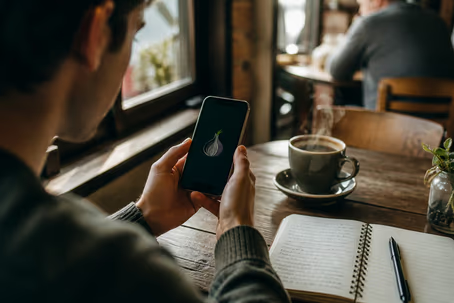
The dark web itself is not illegal. It is a part of the internet that isn’t indexed by standard search engines, primarily accessed through specific software like Tor. However, the activities conducted on the dark web can be illegal. Engaging in these activities is what leads to legal consequences.
Several illegal activities thrive on the dark web. Some of the most common include:
Drug Sales: Numerous marketplaces exist where users can buy illegal drugs, often using Bitcoin for transactions. Law enforcement agencies have been actively targeting these sites[1].
Illegal Pornography: The dark web is infamous for hosting illegal adult content, including child exploitation material, which is strictly prosecuted[1].
Stolen Data Trading: Cybercriminals buy and sell personal data, credit card information, and other sensitive information on various forums[1].
To illustrate, consider a scenario where an individual is seeking illicit drugs. They might access a dark web marketplace, browse listings, and use Bitcoin to complete the purchase. This activity is illegal, regardless of the anonymity provided by the dark web.
It's important to note that while the dark web is associated with illegal activities, it also hosts legitimate content. This includes forums for privacy advocates, whistleblowers, and journalists. The distinction lies in the intention behind its use.
Law enforcement has been cracking down on these illegal marketplaces, resulting in numerous arrests and seizures. For example, in 2022, several coordinated operations led to the shutdown of prominent dark web sites.
In conclusion, the dark web is not illegal by itself; rather, it is the activities conducted on it that can lead to serious legal issues.
Types of Illegal Activities on the Dark Web
What types of illegal activities can be found on the dark web? A wide range of illicit actions thrives in this hidden part of the internet. Here’s a closer look at some of the most prevalent activities.
Illicit Marketplaces
Dark web marketplaces are notorious for the sale of illegal goods. These include:
Drugs: Many platforms facilitate the purchase of narcotics, with Bitcoin as the primary payment method. Law enforcement has targeted these sites, resulting in significant arrests[1].
Firearms: Some marketplaces offer firearms for sale, often without proper background checks or regulations[1].
Stolen Data: Cybercriminals frequently buy and sell stolen personal information, including credit card details and identities. This trade is lucrative and widespread[1].
Fraud and Scams
Fraudulent activities are rampant on the dark web. Examples include:
Phishing Kits: These kits allow users to create fake websites to steal personal information from unsuspecting victims.
Credit Card Fraud: Stolen credit card information can be purchased, leading to financial loss for individuals and businesses.
Hacking Tools and Services
The dark web is a hub for cybercrime tools. Users can find:
Malware: Various types of malware are available for purchase, enabling cybercriminals to execute attacks on individuals or organisations.
Hacking Services: Some users offer their skills for hire, providing services like DDoS attacks or data breaches.
Statistics and Law Enforcement Actions
Estimates suggest that about 5% of the entire internet comprises dark web content, with a significant portion being illegal. In 2022, law enforcement agencies conducted numerous operations against dark web marketplaces, resulting in several arrests and shutdowns. This crackdown demonstrates the ongoing battle between cybercriminals and law enforcement.
To navigate the dark web safely, users should utilise Tor, avoid sharing personal information, and be wary of phishing attempts.
Engaging in illegal activities on the dark web can lead to serious consequences. The anonymity it offers can be deceptive, as law enforcement agencies have developed techniques to deanonymise users.
In summary, the dark web hosts a variety of illegal activities, from drug sales to hacking services, attracting both criminals and law enforcement alike.
Is Accessing the Dark Web Illegal?
Accessing the dark web is not illegal in itself. The legal status varies by country, but most jurisdictions, like the US and UK, allow access as long as users do not engage in illegal activities. For example, in the US, simply using tools like Tor to browse the dark web is legal. However, participating in illicit activities such as drug trafficking or hacking is punishable by law.
In the UK, similar rules apply. Accessing the dark web is legal, but engaging in illegal activities can lead to serious consequences. Law enforcement actively monitors the dark web for illegal activities, and many users have faced arrest for participating in such actions.
Consider a scenario: an individual uses Tor to browse forums discussing privacy rights. This action is legal. But if that same individual decides to purchase illegal drugs, they have crossed into illegal territory.
Legal Distinctions
Here's a breakdown of the legal distinctions regarding dark web access:
Accessing: Legal in most countries, including the US and UK.
Participating in illegal activities: Illegal and can result in prosecution.
Content: Not all dark web content is illegal; some is legitimate, such as privacy advocacy.
Global Perspective
While the US and UK have clear guidelines, other countries may have stricter laws. In some places, even accessing the dark web might raise legal eyebrows, especially if it is associated with known illegal activities.
Countries with strict laws: Countries with authoritarian regimes may impose penalties for accessing any part of the dark web.
Countries with lenient laws: Many Western nations have more relaxed views, focusing on the activities rather than the access itself.
Law enforcement agencies are continuously refining their techniques to track down illegal activities on the dark web, using methods to deanonymise users. This means that even if accessing the dark web is legal, engaging in illegal activities can lead to arrest and prosecution.
In conclusion, accessing the dark web is generally legal, but the activities undertaken while there determine the legality. Users should always tread carefully and be aware of the laws in their respective countries.
How to Stay Safe and Legal on the Dark Web
How can individuals explore the dark web without getting into trouble? The key lies in following best practices that prioritise safety and legality.
Using Tor is essential. This software allows users to access the dark web while maintaining a degree of anonymity. However, anonymity isn't foolproof. The FBI has employed various techniques to deanonymise Tor users, including exploiting browser vulnerabilities. Thus, caution is necessary.
Here are some best practices to keep in mind:
Stick to Tor: Always use the Tor browser for accessing the dark web. Avoid regular browsers, as they do not provide the same level of anonymity.
Avoid Personal Information: Never share personal details such as your real name, address, or phone number. This information can be used to identify you.
Be Wary of Links: Links on the dark web can lead to dangerous sites. Always verify the URL before clicking. Use trusted sources to find links.
Download with Caution: Avoid downloading files from unknown sources. These could contain malware or other malicious software.
Use Cryptocurrency: When making transactions, use Bitcoin or other cryptocurrencies. These can provide a level of anonymity compared to traditional payment methods.
Consider a scenario where someone wants to explore a forum discussing privacy rights. They can safely access it using Tor and avoid sharing personal information. However, if they click on an unknown link and download a file, they risk compromising their device and identity.
It's important to remember that while accessing the dark web is legal, engaging in illegal activities is not. Law enforcement agencies are actively monitoring this space, leading to numerous arrests and operations against illegal marketplaces.
In summary, staying safe on the dark web requires using Tor, being cautious with links and downloads, and avoiding personal information. Following these guidelines can help individuals explore this hidden part of the internet while steering clear of legal troubles.
Common Misconceptions About the Dark Web
What do people commonly get wrong about the dark web? Several myths surround this hidden part of the internet, leading to confusion and fear. One widespread misconception is that the dark web is inherently illegal. In reality, accessing the dark web is legal; the illegality arises from the activities conducted on it.
Another myth suggests that the dark web is entirely unregulated. While it operates outside the reach of traditional law enforcement, agencies are increasingly monitoring and cracking down on illegal activities. For instance, in 2022, numerous operations led to the arrest of key figures involved in dark web marketplaces.
Here are some common misconceptions about the dark web:
It’s all illegal: While a significant portion hosts illegal content, there are legitimate uses, such as forums for privacy advocates and journalists.
It’s completely anonymous: Although tools like Tor provide anonymity, law enforcement has developed techniques to deanonymise users.
Only criminals use it: Many individuals access the dark web for legal reasons, such as circumventing censorship or researching privacy issues.
Consider a scenario: someone might believe that simply accessing a dark web marketplace means they are breaking the law. This isn’t true unless they engage in illegal transactions.
Statistics indicate that the dark web comprises about 5% of the entire internet, with a notable amount being illegal content. However, it’s crucial to differentiate between the platform and its uses. Just because a site is on the dark web doesn’t mean it’s illegal.
In summary, the dark web is not synonymous with illegal activities. Understanding its true nature can help dispel fears and misconceptions.
Statistics on Illegal vs. Legal Content
What is the actual ratio of illegal to legal content on the dark web? This question is challenging to answer due to the hidden nature of this part of the internet. Estimates suggest that the dark web constitutes about 5% of the entire internet, with a significant portion being illegal content. However, exact figures are elusive.
Breakdown of Content Types
The dark web hosts a mix of both legal and illegal content. Here's a simplified breakdown:
Illegal Content: Includes marketplaces for drugs, firearms, and stolen data.
Legal Content: Encompasses forums discussing privacy rights, blogs, and other legitimate uses.
While many associate the dark web primarily with illegal activities, a common misconception is that it is exclusively used for such purposes.
Challenges in Estimating Content Proportions
Estimating the proportions of illegal versus legal content is fraught with difficulties. Some reasons include:
Anonymity: The nature of the dark web allows users to hide their identities. This makes tracking and categorising content nearly impossible.
Dynamic Landscape: New sites emerge and disappear frequently. This fluidity complicates any attempt to provide accurate statistics.
Mixed Use: Many sites may have both legal and illegal sections, making classification challenging.
For instance, a forum discussing privacy might also host links to illegal marketplaces. This overlap blurs the lines between legal and illegal content.
Law Enforcement's Role
Law enforcement agencies are actively monitoring the dark web to crack down on illegal activities. They have conducted numerous operations leading to arrests and the shutdown of key marketplaces. This ongoing effort highlights the challenges in quantifying illegal content, as law enforcement's actions can rapidly change the landscape.
In conclusion, while estimates suggest a significant portion of dark web content is illegal, the true proportions remain uncertain. The combination of anonymity, the dynamic nature of the web, and mixed-use sites complicate the situation.